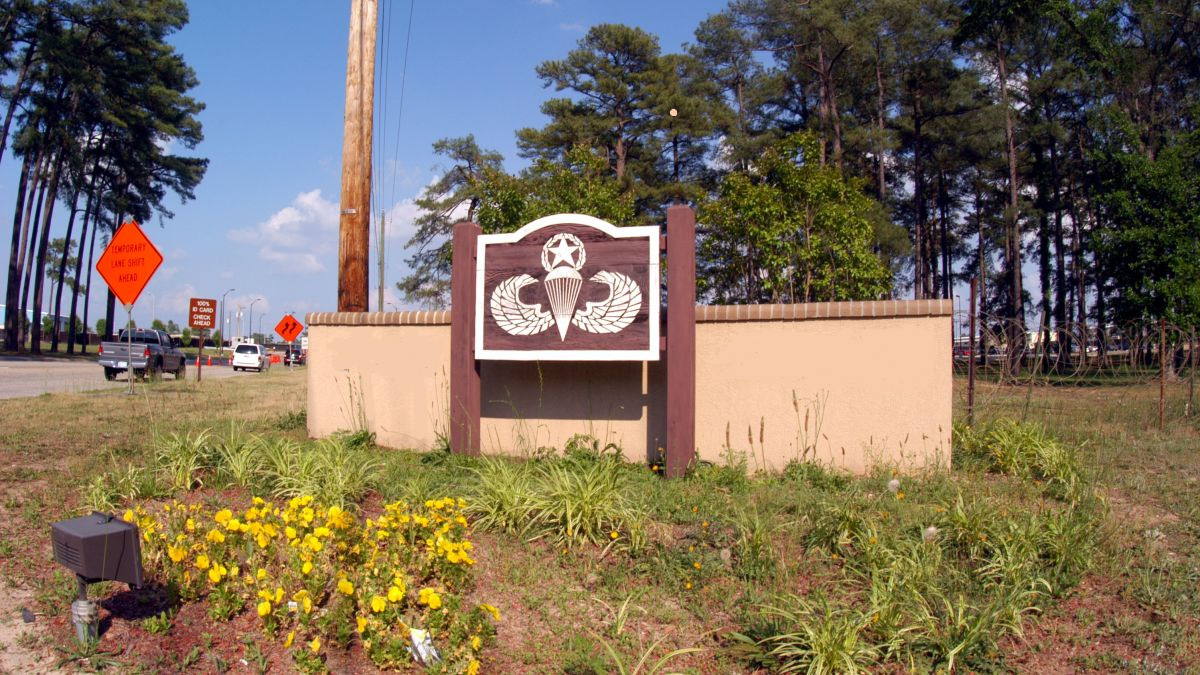
Fort Benjamin O. Davis

July 7, 2040, 2:54 PM

Thwack.
“Godamighty, I love that sound,” the old soldier said, squinting as he followed the ball racing through the summer skies, past the treeline and onto the green. “Beautiful thing, isn’t it, Colonel?”

Brigadier General Nathaniel Pettimore smiled, nodded, and waited for his superior to correct himself, which he did presently.

“General, I meant. I’m getting past it. Speaking of which, how’s the new star treating you?” The older man made a sweeping gesture toward Pettimore’s shoulder patches with a 5-iron.

“Pretty well, sir. The old deputy commander left a bit of a mess to clean up, if I’m being honest, but I like a challenge.” The brigadier teed up, swung, and audibly cringed at the results. He was a poor shot from the fairway. He was barely a passable golfer at all, but he had worked at it for more hours than he cared to count. It was worth it, he judged, if it let him spend some R&R hours with General Hinton whenever he made it down to Fort Davis for consultations with Joint Special Operations Command. Getting face time with the Vice Chairman of the Joint Chiefs was no small thing. Fortunately, Byron Hinton liked winning.

“Anyway, Nate, what was it you were saying?” Hinton asked with a barely-suppressed grin. “About the election, I mean.” Pettimore knew politics better than golf. Hinton affected not to care about politics, and in truth Washington goings-on did bore him, though nobody got to his position without learning how to play more subtle games.

“Oh, I was just saying, it’s not a matter of left and right like some people say. That way of thinking is out of date.” He shouldered Hinton’s clubs as well as his own as they trudged over the next hill. “You’ve got some people on the left losing it because they think this is a Republican coup. They’ve got it all wrong.”

“You know me, I serve the flag and all, but I’m from a long line of Republicans. So should I be happy about this or not?”

“Well, frankly sir, I wouldn’t be. See, we have a two party system, so that’s where the infrastructure of political power is, at least on the elected side. What the FRA just did changes things. Ever since the recovery they’ve been pretty much indistinguishable from the Zammit administration, you know that. Infrastructure, environmental reclamation, cybersecurity, they’ve got their fingers in every pie. And now they’ve somehow figured out a way to muscle him aside and make their peace with the GOP, or enough of it. They’ve just neutralized the opposition, sir.”

“Kinda conspiratorial, isn’t it? It’s not like the FRA boys can just make Zammit stand aside because they say so. He’s the president, for God’s sake. That’s the part I don’t understand.”

“Well, everybody know’s he’s unpopular. It would have been a tough reelection. I have a source who does consulting for Lockheed, and he told me that the Dem congressional leadership was getting blitzed with meetings and phone calls for the past several weeks, but nobody could say what about. I think they bought the whole party off and worked out some kind of transition deal. Liu’s already saying it’s going to be a bipartisan administration, just like it was during the Shutdown.”

“So what, no elections from here on out?” Hinton asked. Pettimore shrugged.

“Oh, I don’t see why there wouldn’t be. I think the important thing is they’re becoming irrelevant.” Hinton let out a whistle in response.

“Some kind of times we live in. Mind you, I’m just a dumbass old leatherneck, but it doesn’t seem like America to me. That’s off the record, of course.”

“Of course. That’s the risk they’re taking, you know: people are going to realize they’ve short-circuited the whole system. And people are going to get angry.”

“There are a lot of angry folks out there already,” Hinton said wearily. “I see the intelligence reports from Homeland Security. Bad business that doesn’t even make the news.” He shook his head. “Anyway, I hate this kind of talk on the course.” It was lie, Pettimore knew; Hinton came down to North Carolina as often as he could just for this kind of talk. He didn’t trust his own staff to be straight with him, and he didn’t trust any way of communicating remotely, not when the integrated national network was supervised by you-know-who. “Well Nate,” he said, glancing at an antique pocket watch (the General was known never to carry electronics when he could avoid it), “I think I gotta skip the next hole, as the Bishop said to the Duchess. Plane to catch.”

“Very good, sir. I’ll drive you over to Pope Field.” He was glad to cut their outing short. It was hot as Hell and he had business in Fayetteville that afternoon.

“You know I was here on joint exercises when they still called the place Bragg, dontcha?” Hinton said, as they got into the staff car back in the parking lot. Pettimore had heard this, more than once.

“No sir, tell me about that.”

Pettimore was the interim deputy commander of JSOC, as of three months before. It was not a post he had ever expected to hold. As he saw it, he was a little too good at his job to keep in his superiors’ good graces. They didn’t much like his habit of cultivating outside brass, either. Once, in a briefing, Pettimore was fairly certain he had overheard the former deputy commander, Vice-Admiral Cruz, referring to him as a “weedy little fuckface.” It had stung. 5’9 was perfectly average, statistically speaking.

Pettimore did not believe in God. He did believe in Lady Fortune, and her wheel had certainly turned. It had turned out that there was large stash of multimedia perversion on an unsecured tablet in the Vice-Admiral’s office. Character failings aside, the security lapses were staggering. So Cruz was out, pending a full investigation. As the JSOC Commander was lately spending most of his time writing a book on his service in Yemen, Pettimore had plenty of latitude to whip things into shape. That had made him some new enemies, but it also gave him the opportunity to make new friends, or at least new dependents. If he had his way, the rising cohort of JSOC officers would have his stamp on it.

After dropping General Hinton off at the airfield, Pettimore parked the staff car near the main gate, changed into a tracksuit in his duffel, and jogged out of the base, waving at the sentries. He left his phone in the car, tucked carefully under the seat.

Hitting the pavement like this gave his mind freedom to wonder; he had perfected the art. He mulled over some of the latest reports from the Tier 1 operators that had crossed his desk, from places like Kyrgyzstan and South Sudan and Burma. He still felt a little of the frisson he had first felt when he read what Delta or the SEALs in DEVGRU were up to. Only a few eyes were worthy of it, and the reports made for amazing reading as often as not. But mostly, he found himself wondering what the point of it all was. Whack-a-mole with Third World insurgencies, the same thing they had been doing for decades. What strategy lay behind it? Just inertia, mostly. It was a flashy distraction from the sorry state of most of the rest of the armed services since the Shutdown. Pettimore was helping fight the wars of the past while that California clique and its Chinese backers were carving up the country. The men who sent the reports were the real deal, still the tip of the spear…but imagine what they could accomplish with a different sort of direction.

Two miles down the road, drenched in sweat, he ducked into a run-down Jamaican chicken joint, ordered his usual at the counter, and then stepped into the bathroom. After a couple of minutes sitting in the stall, still catching his breath, a shadow appeared on the tile and he heard a hollow rap on the door.

“Do we really have to do it this way, Francois? Don’t you get sick of this smell in this place?”

“You were the one who set our little assignation up, n’est-ce pas?” Presently the Brigadier relocated to one of the urinals, and stared at the wall while the other man sidled up alongside him. There was a plastic privacy barrier between each urinal, but the Frenchman was tall, which slightly unnerved him.

“No good. Too many cameras. I checked.”

“There’s a factory outlet store in the strip mall across the street. Why not there next week? One of the changing rooms, maybe.”

“Fine, whatever. Let’s get to it, shall we?” He cleared his throat awkwardly, and glanced toward Francois Larroux’s deep-set Gallic eyes.

“Yes, let’s. You saw Hinton today?”

“I did. He’s not as much of a political naif as he makes out, but I didn’t learn anything from him I didn’t already know.”

Naif, look at you, you’ll be speaking my language soon. And what is his attitude toward the new arrangements in Washington?”

“About what you would expect. He’s concerned. Probably especially concerned about the next round of appropriations, with everything up in the air.”

“Yes, I know some of your military sectors have been feeling the, how do you say it…the pinch. More investment in intelligence, space, and cyber infrastructure, less and less in kinetics. Is that not so?”

“Well, you know that, all that’s public. The Marines just barely avoided being downgraded as an independent branch again, which Hinton was pissed about. We’re doing fine in JSOC. But the realignment in priorities, whatever you want to say about the strategic sense of it, is benefiting the commands and the programs that have the closest links to the FRA. I can only imagine what next year will bring.”

“Yes, I have heard some rumors about that myself.” The Frenchman liked to drop hints. Larroux zipped his pants and moved to one of the two sinks, and Pettimore followed him.

“How long will you be down in Fort Davis?”

Larroux shrugged. “Je sais pas. The infowar exchange program with lasts for another six weeks, but it could be extended if your people agree. Anyway, I’m just a civilian contractor on a tourist visa. I can stay for a while, if I want.” He splashed his long stubbled face with water and continued. “At least, I can stay as long as things remain stable in France. You know we have our own precarious situation with the cohabitation. The internal politics of the organization are very complicated.”

“No doubt. I gather you’re more of a Nationalist, Francois.”

“Well I can certainly tell you I’m a patriot, General. People will call you many names for that. Anyway, I wanted to ask you about the attack on the FRA facility in Ohio last week. Did you know the shooters had prototype rifles that are not on the civilian market? Who arranged that, do you think?”

“Somebody with a grudge, I imagine. Somebody not being very careful either. I don’t know who it is yet. How did you find out that detail so quickly, anyway? I didn’t think the DGSE had sources that good.”

“We don’t. I believe I’ve mentioned I have other friends, however.”

“Do I get to ask who?”

“I don’t think that would be prudent. I’ll leave it your capable imagination, General. But I’m glad to hear you were not mixed up in such foolishness.”

“Well that would be treason, of course.”

“Yes, that, and bad strategy too. I like what you do, building relationships,” and tapped Pettimore on the shoulder. “It’s not what you know, it’s who you know, yes? I learned that one from Americans. It’s good that we know one another. And of course, I can make introductions with my other friends as well. American politics are getting very interesting. They need their own sources.”

“A strange thing for a patriot to say, isn’t it?”

“Ah well. France, the real France I should say, it has no quarrel with…them. I believe we want the same things.”

“I doubt your bosses in the DGSE see it that way.”

“You would definitely be surprised. It depends on whom you talk to. Anyway, my friends are happy to compensate you for keeping them informed.”

“You can tell them I don’t want their money.” The Frenchman’s eyes flashed with a touch of surprise.

“Strange. Yet you are here, talking to me. What do you want, mon ami?”

“You’re an admirer of De Gaulle, I bet. It’s like he said in his memoirs, ‘Toute ma vie, je me suis fait une certaine idée de la France.'” Larroux looked even more surprised, which gave Pettimore a certain pleasure. The Brigadier stared at his reflection in the cracked mirror, pale, thin, and starting to gray. “Me, I like to think I have a certain idea of America.”

And so plans were made in the confines of a dim and dingy bathroom that would shape the fate of hundreds of millions of souls.
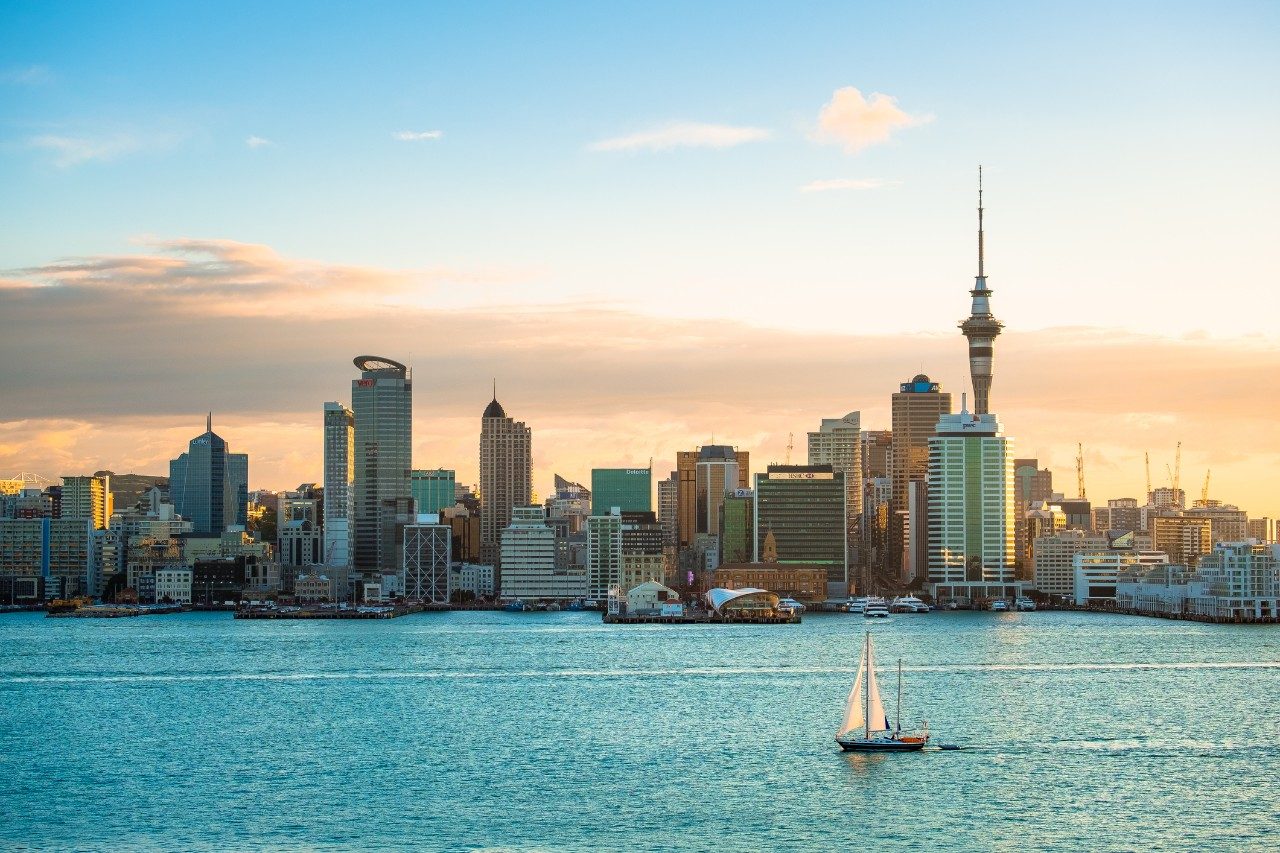
Auckland

July 3, 2040, 10:55 AM

Yank-spotting had become a national pastime for Kiwis. On any given day on the waterfront in Auckland you could point to a stranger and have one-in-four odds. But the locals knew the tells, and that made a game of it. Some of the targets made it easy, of course. They were improbably fat, or wearing khaki shorts, or congregating at one of the many expat sports bars during the NBA Finals. Others, particularly the richer ones, were more discrete, but there were usually clues for the expert: a certain cut of suit, a certain style of jewelry, or a certain gait that suggested a mixture of arrogance and apprehension.

They had had been coming for a long time, looking for vacation homes or ecolodges or to retire to Hobbiton. There were some, though–and these were the real heavy hitters–who had more ominous business. They bought up vast tracts of rural land through their proxies, and started building walled residential compounds, usually at the end of long private roads just out of sight from the highways. The more substantial properties were rumored to have helipads, airstrips, bunkers, and water filtration systems. They all had armed guards. In the old days, if you got one of those usually-circumspect men in a talkative mood, they would tell you that their employers were the sort of people who kept their Gulfstreams gassed up at the closest airport in the States, just in case, as they always put it, the Shit hit the Fan.

Then it did. The Shutdown happened, and within a few weeks New Zealand was crawling with tens of thousands of refugees, overwhelming the smarter brasseries and the luxury auto dealerships. Things had quieted down in the States since then, but the outflow had not stopped. Behind the tycoons came the lawyers and publicists and consultants, and buzzing around them were more transient small-time entrepreneurs, journalists, and attractive women with thin resumes in the entertainment industry. The Kiwis had taken the whole thing with a certain amount of resignation. Real estate prices were skyrocketing, but unemployment was down, and Wellington had just abut eliminated the deficit by issuing investor visas. The newcomers had even taken to wearing All Blacks apparel, which boded well for integration.

Lately, however, the more attentive Yank-spotters noticed a change of mood in their specimens. They were still out in the streets, the parks, and the restaurants, but less often and in smaller groups than usual. They were quiet, to an un-American degree, or else raucously drunk, like they had something to get off their minds. Nothing quite like it had been seen in five years.

Ben, for one, though he had enough on his mind, tried to keep a pleasant expression as he stepped off the train and made his way toward his 11 o’clock appointment. He was in an outlying neighborhood, with modest row houses full of the sort of people who were always called “immigrants” and never “expats.” It was not a place one would likely find other Americans, which suited his purposes. His contact was already at the little falafel house when he got there.

“Faruq!”

“Good to see you again, Mr. Plumb.” A firm handshake, and an accent with vowels stranded halfway between Auckland and the Persian Gulf. They sat down. “Can I get you something? I read online they make a very good murtabak.”

“I’ll just get a coffee. I’ve got to get back to the office in just a bit.”

“Of course. I hope I’m not overstepping if I say this a rather unusual pick for a business lunch. Or coffee, for that matter.”

“Well, my boss wanted some discretion. The Americans in this town, they all know each other, and, you know, they gossip.”

“I think I understand. You haven’t been down here long, no?”

“That’s right. I got this job two months back, right after I got my MBA. Starting to settle in, though.”

“Glad to hear it. What can I do for you then?”

“Well, our firm just got hooked up with some very important clients who are looking for a turnkey operation for the whole Kiwi package: immigration and legal, financial transfers, tax, the works. And real estate, of course. We want to bring the clients to you guys on that end of things. Primary residences and investment properties, both. We’re talking high seven figures in total market value on this, maybe eight.”

“You certainly have my attention. I’m sure we could negotiate a bulk discount.” Both men had instinctively started to lean toward each other over the grease-spattered table.

“Don’t say that yet. There’s a catch. These clients aren’t quite able to enter into formal negotiations yet. What they’re looking for is a sort of informal understanding that you will keep the properties in your inventory until they’re able to follow through. Sort of like earnest money, but, uh, not through the usual channels.” Faruq scratched his chin thoughtfully.

“That doesn’t sound like how we operate. Doesn’t sounds like something our friends in the New Zealand government will much care for either.”

“Well, without going into to it too much, I can say the New Zealand government isn’t what the clients are worried about. But no titles are changing hands here, not yet anyway, and you folks would be very well compensated for the arrangement.” He showed the Arab a figure on his phone’s calculator app.

“That is very, how do you say it, earnest money. My God, what is going on in America right now?”

“People need to hedge their bets sometimes.”

“I am not a gambling man, myself. So I think I need a better idea of what this is all about. Who are these people you are bringing me?”

“I don’t even know myself, Faruq, and I couldn’t tell you if I did. But, look, I can tell you this: you know about the social credit system that rolled out last year?”

“Yes, it was a very good investment opportunity. I wish I had gotten in on the ground floor with the people your government contracted with for that.” A waiter came by with coffee, and for a moment or two Ben resorted to talking about the unseasonably warm winter. Then he resumed.”Well, the important thing for our clients is, it’s not as transparent a system as they say it is. A few months after the pilot program started, some people started to notice their ratings getting downgraded, for reasons that didn’t quite add up. Not drastically, you understand. A little here and a little there, but it starts to add up after a while. The whole thing is still in the early stages, but the lower ratings already make it tougher to get credit, government contracts, all sorts of stuff. Hell, Delta won’t give you an international ticket below a certain cutoff.”

“And what, your clients can’t fly to New Zealand now?”

“No, I don’t think you follow me. See, this will make me sound like a conspiracy theorist, but the thing everybody has figured out is that if you’re not on good terms with the right people, your ratings tend to get squeezed. Or if you’re even close with those people. Family or business associates. It might as well be China, Faruq. They say it’s not, but that’s what people are telling me in private.”

“So people get downgraded for criticizing Zammit?”

“What? No, nobody cares about the president. I mean the people that are really running things, if you follow me.”

“You mean the Jews?” Faruq asked in a whisper. Ben snorted and nearly spat out his coffee.

“Please tell me you’re joking.”

“I kid. Mostly. Though that Brickner guy…”

“To be clear, I mean the people who’ve been running this whole ‘revitalization’ for the last four years. So yeah, Brickner, and the rest of that West Coast bunch. Ever since the Shutdown, those FRA fuckers have gotten so much latitude, they barely answer to Zammit or anybody else. Anyway, the thing is, we’re pretty sure that making investments and contacts down here is a good way to get flagged. They don’t like New Zealand, there’s too many Americans here who don’t like them. That’s why our clients are so concerned about privacy.”

“Why are you in Auckland, then? Could be bad for you, too.”

“I guess I’m hedging my bets, too. Plenty of money to be made for now, and things could change back home. Some of these people I’m talking to think there might be some kind of a shakeup soon. Anyway, I like it here.”

“Why haven’t I heard about this?” Faruq asked, looking exasperated. “I read all the papers.”

“I don’t think most of the media will touch it. You can read about it on some of the expat blogs, the kind that don’t get white-listed back home. Social media too. It’s hard to separate the good info from the nonsense, though. I think it probably all gets flagged as fake news. That’ll ding your EOC rating too, you know.”

“I remember,” Faruq said, “when American politics was shoved in our faces all the time. You couldn’t get away from it on TV, Twitter, whatever. Everything was so loud, so out in the open. These days, I have to hear about what’s really going in the States from people whispering to me in corners. It’s like being back home. No, not even there, it’s like being in Turkey! How did you all become Turks?”

“So you’re saying you’ll think about it?”

“I do like that about you people, you always know how to bring things back to the point. Yes, I’ll make some calls.”

“Great. No rush, it’s still yesterday in New York.” Ben rose and they shook hands again.

“Enjoy your holiday,” Faruq said as they parted. “Going to the parade tomrrow?”

“Ehh, maybe. Might be too many Americans there.”

He walked out of the restaurant and immediately ducked as a miniature delivery drone went buzzing over his head and down the street. He grinned, quite sure that nothing could stop him today.

He was a tad late back to the office, and stepped quickly past his boss’ door, hoping to pass unseen.

“Ben, come in, will you?” Mr. Erskine’s Texas drawl caught him before he got far.

“Sorry I’m running behind again,” Been replied as he stepped into the room. He was looking toward the floor, and it happened that his eyes were immediately drawn to a duffel bag tucked alongside Erskine’s desk. It was bulging with $100 bills.

“Don’t worry about it, boy. Now tell me how the meeting went?” Pudgy fingers wrapped on the desk impatiently, and Ben wrenched his gaze upwards.

“They’re gonna bite, I think. Faruq is gonna take it back to his people, but he seemed onboard.”

“Good, knew I could count on you.” The older man slid out out his high-backed chair with a grunt and walked over to the bag. “I guess you noticed we haven’t quite gone cashless around here. Help us out and take this home with you.” He shoved a fistful of bills into the front pocket of Ben’s sport coat, then another.

“Sir, that’s…” Ben stuttered, counting. “That’s nearly four grand.”

“Fourth of July bonus. Take tomorrow off. Go on now, I got calls to make.” Erksine waved him out of the room, and he went back to his cubicle feeling something between elation and uneasiness.

He went on a pub crawl that night with two of the other analysts to celebrate the day’s successes, threw some of his bonus around, and woke up at the airport Holiday Inn with a honey-haired Qantas flight attendant on layover. His phone buzzed.

Happy 4th where you are. Hope you’re good, bud. – Li-li.

“Got another big deal to make?” the stewardess asked, and rolled over. For once, she was not something he regretted in the light of day.

“No, just a text from an old friend saying hey.” Ben stretched and yawned. “I was supposed to have today off. Thought I’d take you to the parade, if you want.” It turned out she was due back to Melbourne anyway. He got a peck on the cheek for his gallantry. He turned on the flastscreen on the opposite wall.

Live news from the US via satellite was first up. He groaned. He got to hear enough about politics at work. But…Ginny (was that it?) perked up and looked interested, so he didn’t change the channel. The president was about to give an address from the Oval Office.

“Weird timing,” he muttered. It was 5 PM on the East Coast, if he did the math right, still the night before Independence Day. His parents in Maine were probably coming home from work and taking their evening beers in front of the TV so they could heckle President Zammit.

“Who’s that?” Ginny asked, and he started from the half-slumber he had drifted back into. The president was speaking now, and standing behind his desk, looming over his left shoulder, was a slender raven-haired figure with a cool expression.

“Oh, that’s the Veep. Gotta be awkward with her standing there.” Wendy Liu was a Republican, and Zammit had taken her on the ticket as a gesture of unity after the Shutdown. But this year she had repaid the favor by running against him, and had just clinched the GOP nomination the week before. She was up in the polls, and, more importantly to Ben, in the betting markets.

Zammit was rattling off the accomplishments of the last four years. Economic recovery from the Shutdown. Fighting desertification in the Great Plains. Safe, secure, and universal 7G access. High-speed rail. Immigration reform. The ongoing drawdown in Yemen. An impressive list as far as it went, but the even the president seemed a bit bored by it. Ben felt a faint uneasiness that he hadn’t checked his email yet, but Ginny was laying against his chest now; his phone lay just out of reach. He sighed in resignation.

“…in the wake of an unprecedented national crisis, these have necessarily been bipartisan achievements.” The chyron running along the bottom of the screen meanwhile declared that a truck attack had killed two people an TSA checkpoint in Wisconsin. He shook his head slightly, and looked Ginny over. She held up well in daylight, he thought, and from what he could remember she was easy to talk to. Maybe if they had met under better circumstances…

“…and so, in consultation with party and congressional leadership, and after much prayerful consideration, I have decided to suspend my campaign for the presidency.” Ben blinked. It took him a moment to process what he had just heard come out of the President’s mouth.

“What?” he exclaimed. “Holy…I don’t believe it.” Even though had never particularly cared about politics, but he felt as if his stomach had turned a somersault.

“So who will run against the Republican lady, then?” she asked.

“That’s the thing, I don’t know,” he replied, the pitch of his voice rising. “I mean, he’s the nominee, so…I think he just took a knee. I don’t believe it.” He got up and started getting dressed in a rush.

“Yes, you said that.” Her eyes narrowed as he buttoned his shirt.

“Sorry, sorry,” he muttered. “The thing is,” he said, shoving his belt into his back pocket, “I think this is going to be huge for us. Any kind of political craziness is going to mean more Americans looking to park their money here, or their asses, or both. I’d better see what’s going on at the office.” As if on cue, his phone began lighting up, and did not stop buzzing with notifications for several minutes straight. He was gone as soon as his shoes were on, but he left a business card on the nightstand.

By the time he got to the city center, almost the entire staff of Erskine, Schacter, and Associates was already there, and the office had become a giant call center. The calls came in without a halt for hours on end, and bathroom breaks were strictly verboten unless someone else could cover the line. They came from New York and Honolulu and everywhere in between. Finance people, energy people, military contractors, dentists, corporate accountants. There were some clients who got special video consultations in the conference room, and Ben heard rumors they were celebrities. Anybody with enough money and rattled nerves to make them look into a long holiday in the Antipodes was on the line. They wanted the usual assistance: fast-track visas, real estate, investments, banking, job searches, private security. But they wanted it on a scale he had never seen. Something very new and strange was happening, and whatever it was, it was good for business.

The wall-mounted screens hovering above the desks kept the brokers informed of the latest updates, when they had time to look up, at any rate. By lunch it was confirmed that there would be no other Democratic candidate for president. The DNC mumbled something about respecting the President’s decision and that ballot access deadlines were rapidly passing in any case. The deluge of calls only picked up after that. Ben didn’t get up from his desk until after 5.

In the men’s room, a clutch of the other junior hires were catching their breath.

“Shit is crazy,” one was saying. “I gotta get my girl over here. God knows we’re making bank. Anyway, now that the fix is in I don’t think I want her back home right now.”

Ben paused in front of mirror and splashed his face with water. He had barely taken any time to think about where all of this was going, other than the exceptional commissions he had earned. Now that he thought about it, he didn’t particularly want to. He blew his nose, straightened his tie, and walked back out into the arena.

What had been a madhouse, however, had suddenly gone quiet. The constant chatter and ringing was almost dead. He grabbed a passing coworker’s arm.

“What’s going on?”

“Calls stopped coming. We’re trying to figure out why. Maybe a network issue.” Ben went back to his desk. Minutes passed. He could hear the hum of the computers and a vacuum clearer somewhere upstairs. The near-silence went on for what felt like an eternity. He tried to check his email, when he noticed the service was down. A hell of a day for a network outage, he thought. Just then, Mr. Erskine walked out into the main office space, his face noticeably red.

“Listen up, I got something to say to you all,” he said, and sighed heavily. “I made some calls, and this ain’t no problem on our end.” He was angry, and his drawl seemed to lengthen as a result. “As of ten minutes ago, every major comms provider in the States has suspended service to and from New Zealand. Voice, teleconference, email, all of it. They’re also telling me our payment processing is inactive. What they’re saying is,” he said, almost growling, “there has been some kind of high-level data security alert. You make of that what you will. We do not know when this will end. What we are doing right now is sending the non-executive staff home while we figure out how to work around this. That’s it.” He stomped back to his office, leaving the rest of the firm standing in shock.

The employees filed out over the next few minutes into the darkening streets. As he walked out the front door, Ben heard one of the interns wondering aloud whether the Shutdown was happening all over again.

“No, the security thing is bullshit,” Ben cut in. “They’re doing this to mess with us, freeze us out. That’s why the bossman was so pissed. The fix is in.”

He paused and sniffed. There was smoke in the air. Of course. Fireworks. The Independence Day Parade was just a few blocks away, and he could hear the low roar of Auckland’s expat community and its well-wishers. Feeling curious, he walked toward Albert Park, where had heard there was usually a beer tent.

He had not gotten far before he started to notice a crowd of people headed the other way–not running, exactly, but moving quickly and with purpose. Then came sirens. He rounded a corner and saw the smoke had not come from fireworks. Someone had set a car on fire outside the US consulate, right off the main parade route. Right across the street was an FRA liaison office. A small crowd of men were throwing garbage cans and café furniture against the floor-length windows. One shattered, and the men flooded into the office. Some moments later, flames started to flicker somewhere inside. Ben backed away and made his way to the main parade route.

He found people milling around in different directions, floats abandoned in the middle of the avenue, and more smashed windows. A giant inflatable George Washington was lolling around on the pavement, punctured and leaking air. Some Kiwi police officers galloped by on horseback, and yelled at the crowd to clear the street, though without much conviction. Ben, however, took the hint and left.

The bus home was full of star-spangled revelers who smelled of a mix of alcohol and smoke. Some looked scared, others sullen. Ben was grateful to get to his stop. He walked in his building, raced up the two flights of stairs to his apartment, and locked himself in his room. He didn’t much feel like discussing the days’ events with his roommates. He took a deep breath as he drew the blinds from his window. The usual downtown lights were overshadowed by the blinking of police cars and fire engines.

The sirens did not stop until after midnight. He had long since fallen into a fitful sleep, still in his rumpled jacket and tie. He dreamt that the delivery drone he had seen outside the falafel house that morning was hovering outside his window. When he awoke in the morning, he was not sure it had been a dream.

Hemlock

July 1, 2040, 9:02 AM

“Hey girlie, sorry I cut out for a minute there. The signal is unbelievably bad out here. I didn’t realize anywhere was still like this.”

“Lisa, where are you, even? You make it sound like the moon.”

“It feels about like that. More trees though. Hey, sorry, but I gotta go again. Call you back. TSA Checkpoint.”

Lisa braked just a bit too abruptly, and the old fleet-model Tesla skidded for a short stretch before she regained control. It had been a long time since she had driven completely unautomated. She eased up to the guard by the striped barricade, who seemed to be glaring at her behind pitch-black aviator lenses. He was sweating in 95-degree sunshine, which likely didn’t help his mood. His hand was on his electric baton.

“Are you looking to hurt somebody, kid?”

“Sorry, it’s my bad,” she said, flushing. “I didn’t think I was going to need to stop again after the state line. Is something going on?”

“That’s why you keep your eyes on the road. Let me see some ID.”

“Okay.” Her voice shook slightly. She hated this about herself. She handed him the badge off the lanyard around her neck. The agent’s eyebrows arched slightly as he inspected it. He ran the badge through a hand-held scanner.

“Is something going on?” she asked again, more firmly.

“Lucky you, you’re government, so we don’t have to search the vehicle,” he said, handing back the badge. “But yes, there was an incident at one of you guys’s field office in Sandusky this morning. Another reason to keep your eyes on the road.” He nodded to another agent who shifted the barrier, and waved her through. Lisa turned around a bend in the two-lane road, and then floored the accelerator.

She thought of calling Jeanine back, just to rant. But she was running late, and the road was narrow, and perhaps the asshole had a point. She rolled down the windows, and breathed in air that, she had to admit, was fresher here, even in the scorching heat, and tried not to think about what “incident” meant.

It didn’t look unsafe around here. Mostly it just looked tired, worn-out. The hilly Ohio countryside was pretty enough, but the human element was rust and chipped paint and cracked pavement. Occasionally something shiny and new would appear to break the monotony–a school, a highway rest stop, an affordable housing block–and invariably it was accompanied by a red sign with white block capitals: “BROUGHT TO YOUR COMMUNITY BY THE AMERICAN REVITALIZATION AUTHORITY.” The architecture was always sleek, rounded, vaguely postmodern, like an alien craft had landed and deployed itself among the cow pastures and dollar stores. Lisa was one of the aliens.

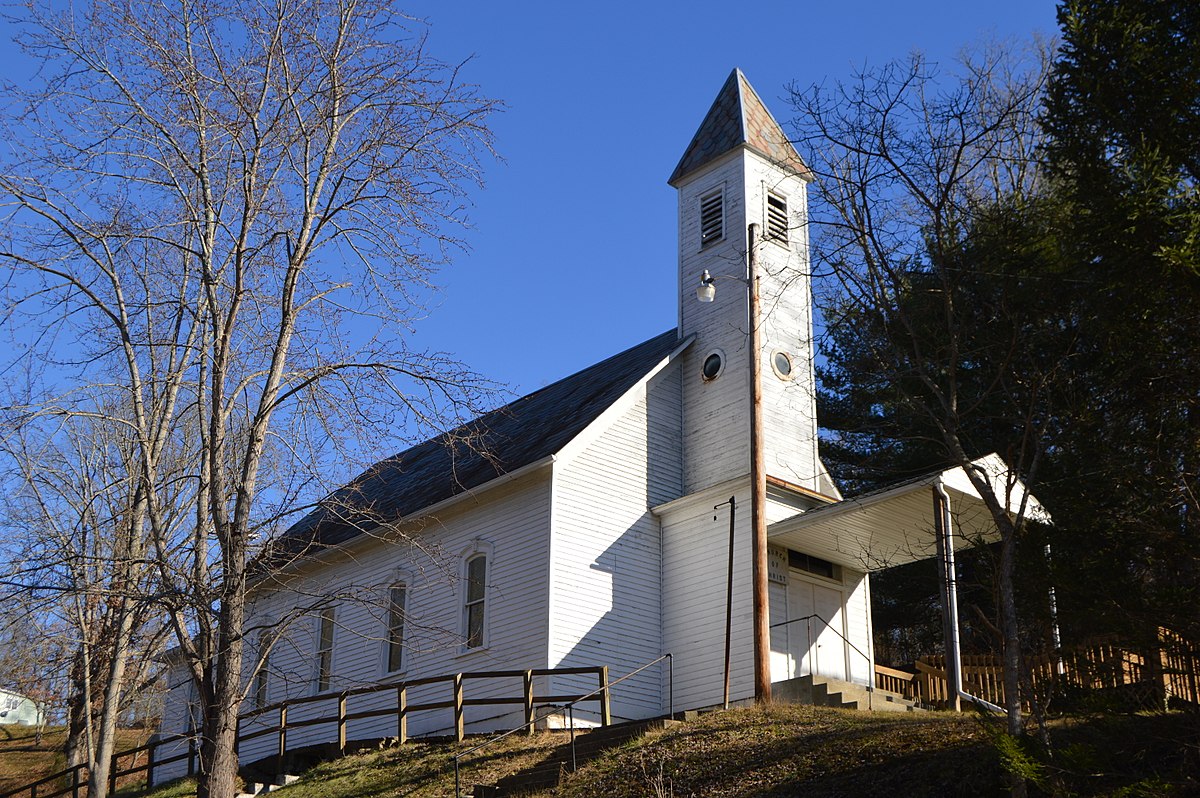
She was surprised, then, when the GPS led her to a white clapboard church on a gentle rise just off the main road. A marker on the gravel path, knocked somewhat askew, read Hemlock Church of Christ. She murmured in annoyance, and made another call. A bored voice answered.

“What’s up?”

“Hi, I got your directions but the address took me to this old church. Tell me again where I’m supposed to be?”

“Right here. See you inside.”

“Huh,” she said, and hung up.

She noticed now there was an FRA bumper sticker plastered to the only other car nearby, a Dengfeng convertible. As Lisa walked toward the entrance, a strange fluttering noise passed over her head, and for a brief moment she spied several bats slipping into the belfry. She shivered, and took a moment on the front steps of the church for her goosebumbs to subside before she went inside.

In the church she found a jumbled array of office furniture, computer equipment, and painting supplies along with a few antique pews and a lectern. Some of the rafters above her head sagged, and the wind whistled through a hole in one of the stained glass windows.

“Pardon our mess,” said the one person inside, a shaggy-haired man in his 30’s. He smoothed his wrinkled FRA polo and went to shake her hand. ” We’re still getting situated. They were supposed to put us in the old post office in New Lexington but they’ve got black mold in there, and I guess this happened to be available. I’m Aaron. I’ll be your supervisor.”

“Lisa Li. Are we the only ones here?”

“Well, for now. It’s a shoestring operation. Like I said earlier, we’ve got you doing both HumCap and Community Relations projects, and we share our media person with six counties around here. We’re supposed to be getting a GreenDev coordinator but she won’t arrive until next week.”

“Cool, I look forward to meeting her too. So…this is different,” she said, gesturing with both hands at the walls and rafters.

“Yeah, this hasn’t been an active church for a long time, I think. It was a sort of local landmark, and it’s the closest thing to prime real estate they have in Hemlock. It would make a good studio conversion, actually, the bones are good.” He looked intrigued by the thought.

“Still, I’ve never seen pews in an office before. I feel like I should say some Hail Marys or whatever.”

“I know, right? Not your typical office vibe. Then again, I guess you could say we’re doing our own sort of missionary work out here. We have to tell all the locals about the three commandments.”

“The what?” She asked, then giggled. “Ah, right. Innovate, Adapt, Connect.”

“Amen,” he said, hands clasped.

“I guess I’m ready to get started.”

“Good. One bit of advice: be careful driving around the first of the month. Everybody’s getting their FD checks and they tend to hit up the liquor stores and the dispensary first chance they get. I don’t blame them, though. The weed shop in Shawnee is halfway decent.”

“That’s good to know.” It was funny to think about the first of the month being such a big deal. Lisa got her Freedom Dividend, same as everyone else, but she had it routed straight to her savings account. She had almost enough socked away for the ski trip to Bolivia she’d been dreaming about.

Lisa’s first field assignment was a presentation at the Salt Lick Community Center. The building was one of the FRA’s sparkling gifts to the area, with a full-sized basketball court, pool, and murals by a selection of diverse eastern Ohio artists. A dozen or so locals turned out, mostly for the snack table, it seemed. Most of them were graying or past graying, though there was a teenager who sat glued to his phone, headphones in and expressionless, as well as a slightly older man in a McDonald’s uniform with a squirming toddler in his lap.

Lisa sent a text to Jeanine: Why does nobody have clothes that fit here? She turned on the projector, which whirred and shot the words “Innovate, Adapt, Connect,” onto the wall behind her.

“Good afternoon everybody,” she said, trying to project her own voice over the general murmur and the cracking of potato chips. “I’m Lisa Li, the Human Capital Development Lead for the FRA’s Perry County Office.” One old woman nodded, looking impressed. The others simply stared. “I’m here to today to talk about the flagship initiative for our office this year, the regional pilot roll-out of the Equal Opportunity Credit program.” The stares grew more intense as she advanced slides and a wall of text appeared. “So what is the the Equal Opportunity Credit program, and how can you make it work for you?”

“How old are you, anyway?” the teenager blurted, hardly looking up from his screen. Lisa blushed for the second time of the day.

“I’m 24.” Eyebrows were raised. “Anyway…”

“And you’re, like, in charge of us all now?”

Another hand darted up. “This is a communist thing, isn’t it? I mean, I don’t want to be rude, but that’s what I heard.” The voice had the gravelly texture of some lung disease or other.

“Ah, well, I had intended to hold questions until the end, but…sure, I can answer that.” She had rehearsed for this one, and the answer flowed with confidence. “That’s a misconception actually, because the EOC system is very different in design and intent than the social credit scores you may have heard about in China and some other countries. The EOC uses a wholistic approach to evaluate clients across a broad range of categories. That includes traditional creditworthiness measures, educational and occupational qualifications, criminal records, community involvement, and good online citizenship, among other measures. But it doesn’t reduce you to a single score, and enrollment is also completely voluntary. I should also add that the EOC has many safeguards in place to protect client data privacy and to advance our goals of equity and inclusion.” She took a breath. The man nodded slowly.

“We’re all gonna need it to use the internet, though, right?” the young father asked.

“Not exactly, but, uh, it is true that particular internet providers may set EOC rating requirements for access to particular tiers of content. That’s to help ensure everyone’s digital safety. I think we all remember what happened with the Shutdown five years ago.” The mention of the Shutdown livened the audience up a bit; they nodded, shuffled in their seats and muttered. “That’s why this is such an important program for everyone. And if you get faster speeds and a bigger whitelist, that’s a nice bonus.” She smiled and skipped ahead to the slide on EOC ratings and interstate and international travel restrictions.

After the Q&A she checked her phone as she was walking out the building.

How’s it going Mistah Kurtz? Jeanine asked. As she wrote a reply she felt the toddler brush past her at a sprint, and locked eyes with the same man for a moment. He grinned sheepishly. He had deep-set brown eyes and slightly yellowed teeth. Feeling an awkward pause, she offered him a leaflet for a workforce training seminar before walking out.

You’re such a nerd, you know I don’t know what that means, she typed. But I think it will be ok here. The people are manageable.

She tried to pick up a bottle of Zinfandel on the way back to her new apartment, but the store, it turned out, was cash-only.

“Are you serious?” she asked the clerk, mouth slightly agape. “I haven’t even been anywhere that hasn’t gone cashless since…I don’t know when.”

The cashier lit a cigarette and shrugged. “Lot of people off the grid around here. Ever since, you know,” she said, and waved her free hand. “Plus everybody says the 7G gives you cancer. Or pedophiles used it to track people. I don’t remember.” She laughed. “That’ll be 12.99.” Lisa dug around in her purse for a moment and came up with a handful of change.

“What can I get for three dollars and…uh, thirty four cents?”

She spent the evening back at her apartment with a box of something called Daytona Heat while she scrolled through email on the sofa. The place was tastefully furnished, if somewhat sterile: it had the look of a hotel lobby that happened to have a bed. It was more spacious than she was used to, and almost unnervingly quiet.

It was getting late. She had been trying to get up early to run, so she laid down and played a recording of the daily FRA all-hands call. It had been the only thing to quiet the nightly hum in her brain lately. Today they were showcasing the hyper-rail line between Pittsburgh and St. Louis. Eden Brickner was speaking in his usual, slightly-monotone rapid fire way.

“This is what I had a passion for in private industry,” he was saying. “Connecting people. Better, faster, and more reliably. Needless to say, I’m thrilled to join with all of y’all in making that happen for all of our stakeholders.” He said ‘y’all’ with the farthest possible thing from a twang. “People in my line of work always say we like to move fast and break things. Well, now I move fast and fix things.” Polite laughter. He paused, and she could see Brickner in her mind’s eye swigging water from the bottle he kept on the transparent lectern. “But our mission will always be to bring that same disruptive energy to making this country competitive.”

She drifted off to the sound of applause, soothed as usual. The stray thought crossed her mind, that not everyone wanted to be disrupted.

Prologue: Memphis

“Ok, I’ll start the recording now. This is TRC field interview number 232. Can you state your name please?” 

“Lemarcus Sykes.”

“How old are you, Mr. Sykes?”

“Twenty-nine, last I checked.”

“And where do you live?”

“They got me holed up in a trailer in the camp in Millington right now. I had to take the bus down here.”

“But you lived in Memphis as of last May?”

“That’s right.”

“And you were a witness to what took place at the Harrahan Bridge on the afternoon of May 5th, 2041?”

“I was there, yeah. My friend and me, we walked down there.”

“Why were you in the area of the bridge?”

“We heard there was food, medicine, other stuff folks was bringing across from Arkansas. Everybody said it was Red Cross or something. And my friend’s girl, she had diabetes. She had to take those insulin shots every day. She hadn’t had one in, like, six days around then. I told him it was too far and we were gonna get in trouble before we got there, but he was worried she could die. So I went with him to help out, try to look out for him, you know?”

“Where were you coming from?”

“Parkway Village. We had an apartment over there.”

“And you walked to the riverfront? That’s a long way isn’t it?

“Yeah, took us most of the day. I had a car but you couldn’t take that risk. They had these roadblocks everywhere. Easier to stay out of people’s way if you on foot.”

“These were RAC roadblocks you were worried about?”

“I don’t know, man, maybe some of them. I think it was mostly just folks in these neighborhoods trying to keep people out they don’t like the look of. And if they really don’t like the look of you, they don’t even stop you, they just start popping off. We heard about people that got killed like that. Maybe Sammy would have had better luck without me, I don’t know. We wanted to be careful so we stayed off all the big roads.”

“This is Sam Culver, your friend and your roommate, correct.”

“Yes sir. We lived together. Worked together too, for the city, parks and rec, driving mowers and whatnot, you know. Before. And uh, when everything went to shit we was together every day, just trying to make it. Finding food and other stuff we needed, keeping an eye on folks in the neighborhood.”

“Let’s get back to May 5th. Why do you say he’d have had better luck getting through the roadblocks?”

“Sammy’s a white dude.”

“I see. So you and Mr. Culver spent most of the day walking across the city before you got to the bridge. Can you tell me anything about what you saw while you were doing that?”

“Just a lot of mess. Hardly anybody out. Fires every few blocks, nobody doing nothing about it. Store windows busted out, but I guess they did most of that back in April when it started getting serious.”

“And did you…”

“We saw some bodies. Two dudes in the middle of Quince, looked like they been shot and just laying there for hours. And we walked by this burned up car on an interstate ramp. There was somebody in there, couldn’t tell you if it was a man or woman or what at that point. We went around Orange Mound ‘cause we heard they got hit hard over there, but, uh, a couple of times we heard those big guns shooting over our heads.”

“And when did you get to the riverfront?”

“Five o’clock maybe. I know it was getting later but it was still damn hot. Somebody said a hundred degrees that day. Early May, you believe that? We had some water we brought with us but we kept having to stop in the shade. Almost fell out one time.”

“What did you see when you got there?”

“Army guys. They had trucks and sandbags  and some kind of missiles set up on, like a tank, in the park over there by the bridge. And there was other people like us coming in to get help. Started to be a lot of people. Maybe a couple of hundred. Some of them were hurt real bad, clothes all tore up and bleeding. And everybody was thirsty. At first they kept everybody back. A couple of them Natty soldiers was throwing some bottled waters over at us. These guys in the crowd started fighting over one.”

“Did you see the convoy coming across?”

“Yeah. I was confused at first ‘cause I saw the interstate bridge down there was shot up. Like, you could see through it in a bunch of places, and it had those metal rods sticking out of the concrete. But then I saw the, uh, convoy was coming across one of those other two bridges right near there, you know, the railway bridges. I guess they laid some kind of pavement down . And there were the aid people and the doctors coming over on pickup trucks and four-wheelers.”

“And those vehicles were clearly marked?”

“I believe so. Painted white and everything. Didn’t look like army to me, either side.”

“What happened next?”

“People started to run out there on the bridge, to beat everybody else, I guess. And the soldiers just let everybody go. People went out there and kinda swarmed around the trucks in the middle of the bridge so they could get food and water or get to one of the ambulances.”

“But you didn’t go out on the bridge?”

“I was gonna, me and Sammy both, but this one dude with sunglasses stops me. Officer. His uniform says Lopez, I think. And he asked me where I was coming from. I say Parkway Village, and he has two guys with guns pull me out and they make me go inside a little prefab building they got in the park. They let Sammy go though.”

“Do you know why you were detained?”

“Well I was thinking, this is it, these people gonna kill me. But he starts asking me questions about this, uh, paper, like a flier, that was going around our neighborhood. He showed it to me. It was saying the Natties are criminals and KKK and all of this, and how people need to rise up. He wanted to know who was spreading that around. But I never knew nothing about it.”

“Were you tortured?”

“Tortured? No, except sitting in that little shack in the heat, I guess. Couldn’t hardly breathe.”

“Ok. What happened then?”

“After a while the guy talking to me leaves. Shuts me in there. And five minutes later, maybe, I start hearing this racket.”

“What were you hearing?”

“Plane going overhead, real loud and close. People hollering and running around. Some other kind of noise, like a *whoosh*. I think maybe they shot one of those missiles at it.”

“Did you see anything?”

“There was this little window in that building they had me locked in. I walked over there and I looked out, and I think for just a second I got a look at that plane when it was bugging out.”

“What did that aircraft look like, Mr. Sykes? Did it have any markings you could identify?”

“I just caught the back, you know. It was black.  Didn’t look like anything I saw before. It had, uh, well it looked like it had some little fins sticking off the sides. I seen a lot of things flying over Memphis back then but that was different, so I noticed it.”

“Did you noticed anything else?”

“Well no, because then there was this light.” 

“A light?”

“Yeah, and, I, uh, I couldn’t see. Couldn’t hear either, except this ringing. And it was like all the wind was knocked out of me. I kept choking. And after I while I figured out I was on the ground and what was left of that building was all over me. Got to where I could sorta see again, and I had all these little cuts and burns on my arms, and uh, my face, as you can see. Little slivers of glass all over me. But I could move.”

“And what did you see when you got up?”

“I ain’t talked about it before.”

“I see.”

“Well, there was this cloud. Dark grey, where the bridge used to be. Like a mushroom cloud. And I thought somebody for real dropped the A-Bomb on Memphis. But I didn’t know what it was then. I found out later.”

“Were there other survivors around?”

“There was people still alive. Couldn’t tell you how many of them still are. First person I saw was that Lopez dude, and the only reason I could tell it was him was ‘cause of that name tag. I think maybe he was alive, at the time. I think about it now, and I guess I owe him one, for putting me where he did.”

“What did you do next?”

“Went looking for Sammy in the park. There were some other folks out there doing the same thing, looking for people. Screaming names. Most of them looked in way worse shape than me. Saw this white girl, young, probably would have been pretty, and her shirt looked like it, like, melted onto her back. Anyway, I couldn’t see for shit with all that smoke. But Sammy was on the bridge, I guess. Probably best he was. I, uh…you know what that kind of bomb does to a person?”

“I’m…I’m not an expert.”,

“Well I read about it, later on. Of course, if you right under the fuel cloud, you just gone. But, if somebody is a little farther away, all that fire and pressure, it sucks the air straight out of you, and your lungs just go *pop*.” 

“Ok, so after…”

“Jesus, I seen people like that. Don’t know why it wasn’t me. Jesus.”

….

“It’s uh, ok, if you need to take a minute.”

“You believe people can do that to other people? Other Americans, even? Jesus.”